We all know, it’s all about balance… right? Work-life balance is a phrase used by almost everyone. It’s a phrase that people use to explain why they are enjoying roles and why they are not, it’s used by people to explain their business and their dream roles. It’s a phrase that gets used so regularly that sometimes people overlook the true value of real work-life balance.
The balance is different for everyone, people and families have unique needs and demands, therefore the ‘balance’ needed is different for individuals. The most important in achieving a healthy work-life balance is putting in the time to achieving it. It takes businesses who understand the needs of individuals’ and trust employees to make the call for themselves. It requires managers who can see when people are burning out and support them to take a step back and focus on living. It takes teams who support each other to achieve, and who recognise the cut off point for a day’s work. Above and beyond is great, but it cannot be at the expense of everything else. Learning to stop and focus on all aspects of your life, whether positively or negatively, is an important skill that takes people time to learn, but delivers a sense of wellbeing which is so valuable.
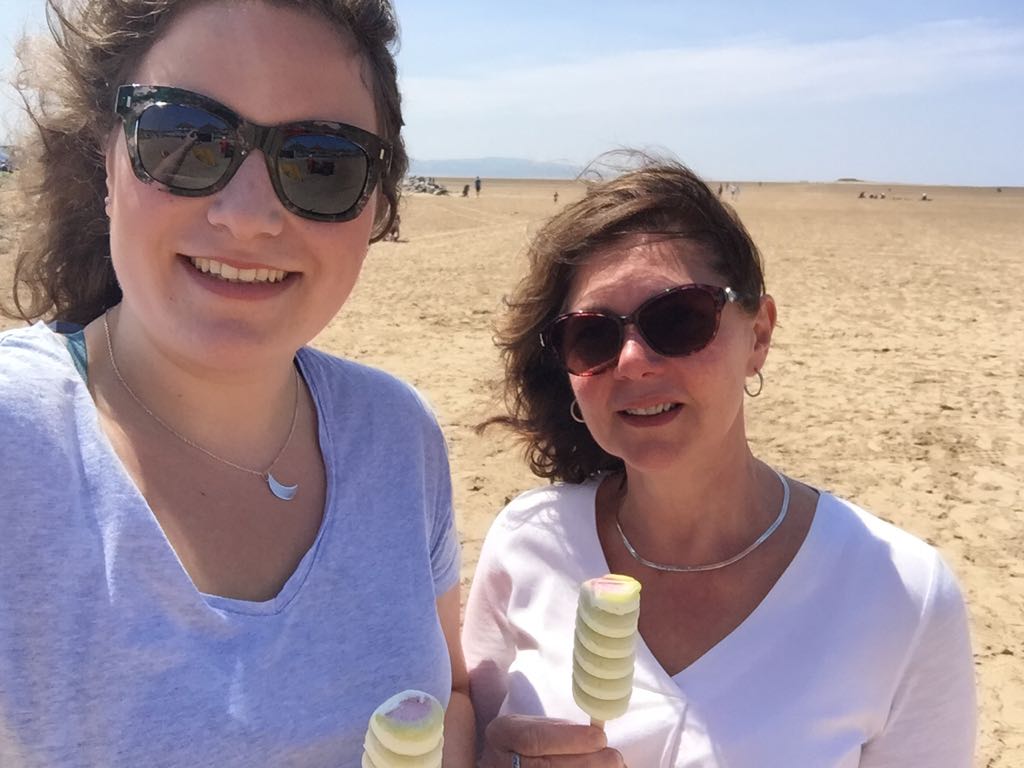
Balance can’t be achieved by one holiday a year, when the week before and after are spent packing in as much work as possible to make up for the time away. Balance can be achieved in small ways. Taking time to eat breakfast at home in the morning. Planning time in the week for a movie trip after work. Just making time to unwind and do something for you. Even if it means taking an extra 20 minutes at lunch to walk along the beach and get an ice cream.
But it takes businesses, managers and teams to support each other and achieve the right balance for individuals. In a world where mental health conversations are increasingly open and complex, we need to take time, and make time, to support each other to achieve a sense of balance. People are a critical asset for all businesses. Great employers are the ones who monitor the stress and pressure individuals are experiencing, and find creative ways to celebrate an employee’s life away from the office, whilst maximising their productivity at work.